
PUSUN PT-MAX C vs Spinfire Pro 2: Tennis Ball Machine Comparison
Choosing the right tennis ball machine can make a major difference to the quality of your solo training. Two models...
By

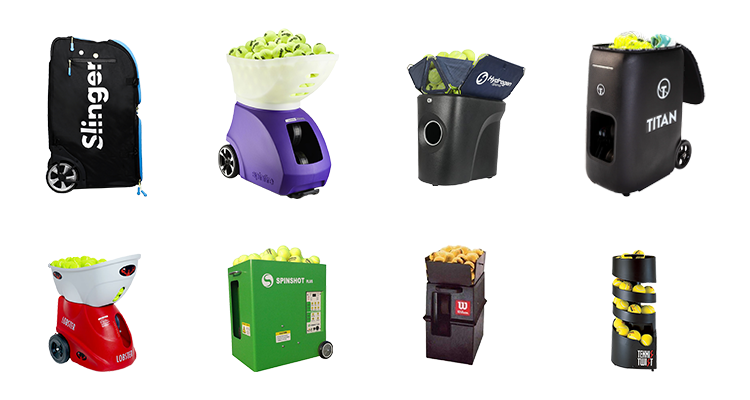
A high-quality tennis ball machine is one of the most valuable investments a tennis coach can make. Whether you’re coaching beginners, juniors, competitive players, or professionals, the right machine allows you to deliver consistent, efficient, and highly customizable training sessions.
Unlike relying on a practice partner, a tennis ball machine provides endless repetitions with precise ball placement, helping players improve technique, footwork, timing, and match fitness.
This buying guide covers everything coaches need to know before purchasing a tennis ball machine.
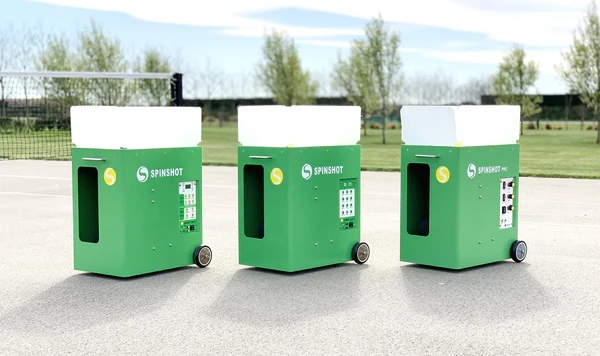
Modern tennis coaching demands more than feeding balls by hand. A quality machine helps coaches:
Whether you coach at a tennis academy, country club, school, or privately, a tennis ball machine quickly pays for itself through improved coaching efficiency.
Ball speed determines the skill level the machine can train.
Typical speed ranges include:
If you coach multiple skill levels, choose a machine with a wide speed range.
One of the most important features is adjustable spin.
Look for machines that offer:
Spin variation prepares players for realistic match situations.
Oscillation allows the machine to change shot direction automatically.
Common options include:
This helps simulate real rallies instead of repetitive feeds.
The larger the hopper, the longer players can practice without interruptions.
Typical capacities:
Large-capacity machines are ideal for continuous group training sessions.
Feed rate determines how quickly balls are launched.
Most quality machines offer:
Slower intervals suit beginners, while faster feeds challenge advanced players.
Battery performance is especially important for outdoor courts.
Recommended battery life:
Lithium batteries generally last longer, charge faster, and require less maintenance than lead-acid batteries.
Premium machines include built-in drills that simulate realistic rallies.
Popular drill types include:
Programmable drills keep players engaged and improve decision-making.
Modern tennis ball machines often feature:
App-controlled machines make it easy for coaches to adjust drills without walking across the court.
If you travel between courts, portability matters.
Look for:
Portable machines are easier to transport and store.
Choose machines made from durable materials that can withstand regular use.
Features to consider include:
Commercial-grade construction ensures years of dependable performance.
Recommended features:
Ideal for private lessons and beginner development.
Recommended features:
Perfect for coaching players of varying abilities.
Academies benefit from premium machines offering:
These machines support intensive daily training.
Elite players require machines capable of:
Professional-grade machines can closely replicate competitive play.
Benefits include:
Choose machines with:
Extend the lifespan of your tennis ball machine by:
Routine maintenance helps ensure consistent performance.
Avoid these common purchasing errors:
Investing in quality saves money over time through better reliability and reduced maintenance.
For regular coaching sessions, a capacity of 100–150 balls is ideal, reducing interruptions and maximizing training time.
Yes. App-controlled machines allow coaches to adjust drills instantly, save custom programs, and manage training more efficiently.
Absolutely. Most premium machines allow coaches to reduce speed, spin, and feed rate, making them suitable for players of all levels.
For coaching professionals, aim for a lithium-powered machine offering at least 4–6 hours of continuous operation.
Yes. They improve training consistency, increase lesson efficiency, reduce coach fatigue, and help players develop faster through repetitive, high-quality practice.
Choosing the right tennis ball machine depends on your coaching style, player level, and training environment. While entry-level models can meet the needs of recreational coaches, serious instructors and academies will benefit from investing in advanced machines with programmable drills, app control, adjustable spin, and long-lasting batteries.
A reliable tennis ball machine is more than just a ball feeder—it is a powerful coaching tool that enhances player development, maximizes court time, and delivers consistent training experiences. By selecting a machine with the right combination of speed, spin, portability, durability, and smart features, coaches can provide more engaging and effective lessons for every player.