
PUSUN PT-MAX C vs Spinfire Pro 2: Tennis Ball Machine Comparison
Choosing the right tennis ball machine can make a major difference to the quality of your solo training. Two models...
By

Looking for a second hand tennis ball machine for sale can be an excellent way to improve your tennis training without paying the full price of a brand-new machine. A used tennis ball machine can provide consistent feeding, adjustable speeds and repetitive practice sessions that help players develop technique, movement, timing and confidence.
Whether you are a beginner, intermediate player, competitive athlete, coach or tennis club, buying a pre-owned tennis ball machine can offer a practical training solution when you choose carefully.
In this guide, we explain what to look for when buying a used tennis ball machine, which features matter most, how to inspect a machine before purchasing and how to determine whether a second-hand model is suitable for your training needs.
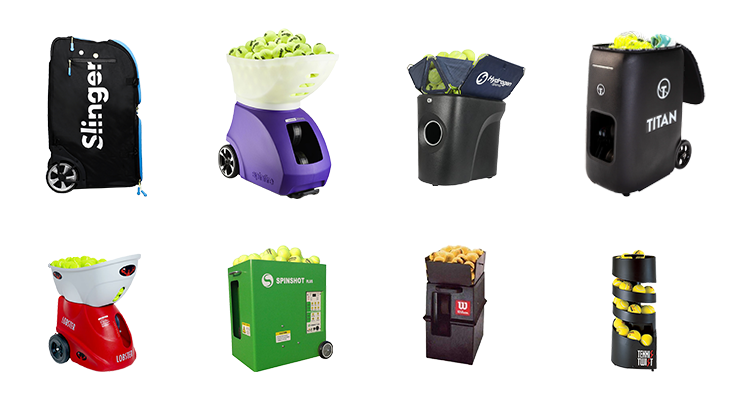
A tennis ball machine is a valuable training tool, but premium models can represent a significant investment. Choosing a second hand tennis ball machine may allow you to access useful features at a lower purchase price.
Some of the main benefits include:
A good-quality used machine can still provide many hours of effective training if the battery, motors, wheels, controls and ball-feeding system are in good condition. Second hand tennis ball machine for sale
A tennis ball machine is an automated training device that feeds tennis balls across the court at adjustable intervals and speeds. Depending on the model, users may be able to control ball speed, feed frequency, trajectory, spin, elevation and oscillation.
More advanced machines can simulate different types of shots and allow players to practise drills without another person feeding the balls.
For example, a player can work on:
This makes a tennis ball launcher particularly useful for structured solo training.
When searching for a second hand tennis ball machine for sale, don’t focus only on the advertised price. The condition and history of the machine are equally important. Second hand tennis ball machine for sale
The battery is one of the most important components of a portable tennis ball machine.
Ask the seller:
Batteries naturally lose capacity over time, so a used machine with an older battery may require a replacement.
The ball-feeding mechanism should operate smoothly and consistently.
Test whether the machine can:
Inconsistent feeding can make training frustrating and may indicate wear or a mechanical problem.
A used tennis ball machine relies on motors to launch the balls. Listen for unusual noises during operation.
Warning signs can include:
If possible, test the machine at several different speeds before purchasing.
Portable tennis ball machines are often moved around courts, vehicles and storage areas, so inspect the exterior carefully.
Check:
Minor cosmetic marks are normal on second-hand equipment. Structural damage or broken components deserve more attention. Second hand tennis ball machine for sale
Some tennis ball machines have onboard controls, while others include remote controls or smartphone applications.
Make sure all relevant controls work properly.
If the machine comes with a remote, confirm that it can:
If an app is required, check whether the machine still supports the relevant application and operating system.
Ball capacity determines how long you can train before having to refill the hopper.
Used tennis ball machines can have different capacities, from compact machines designed for shorter practice sessions to larger models capable of holding well over 100 balls.
For individual home practice, a smaller capacity may be sufficient.
For coaches, clubs and longer training sessions, a high-capacity tennis ball machine may be more convenient.
Different players have different training requirements.
Beginners may prefer slower feeds that allow them to concentrate on technique and consistency. Intermediate and advanced players may want faster feeds to work on reaction time, footwork and match-style movement.
When comparing second-hand machines, check the available:
A machine with more adjustable settings can provide greater variety as your skills develop.
Oscillation is particularly useful because it can move the ball feed from side to side rather than repeatedly sending balls to the same location.
Depending on the machine, oscillation may be:
This allows players to practise movement and positioning rather than simply hitting stationary balls.
If your goal is to simulate more realistic court movement, oscillation is an important feature to consider when buying a used tennis ball machine. Second hand tennis ball machine for sale
Think about where you will use the machine.
Portable models are useful for players who regularly travel to different courts. Look for features such as:
Larger machines may offer greater ball capacity, more powerful motors and advanced programming.
They can be particularly useful for:
The right choice depends on how frequently and where you plan to use the machine.
Before purchasing a second-hand tennis ball machine, ask the seller about its history.
Useful questions include:
A seller who can provide clear information about the machine’s condition and maintenance history can make the buying process easier. Second hand tennis ball machine for sale
The main difference between buying new and used equipment is the balance between price, condition and warranty.
| Feature | New Machine | Second Hand Machine |
|---|---|---|
| Purchase price | Usually higher | Usually lower |
| Condition | New | Varies |
| Battery condition | New | Must be checked |
| Warranty | Often available | May be limited or unavailable |
| Previous usage | None | Varies |
| Latest features | More likely | Depends on model |
| Value | Long-term investment | Potential cost saving |
A second-hand machine may be attractive to buyers who want to reduce their initial investment, while a new machine may provide greater certainty regarding condition and warranty coverage. Second hand tennis ball machine for sale
When searching online, use specific search terms rather than simply searching for “tennis ball machine.”
Useful search phrases include:
If you are buying locally, also consider the cost of delivery, collection and potential replacement parts.
A low purchase price does not necessarily mean a low overall cost.
Before buying, consider whether you may need to purchase:
For example, a used machine that requires an expensive battery replacement may not offer the same value as another machine that costs slightly more but is ready to use. Second hand tennis ball machine for sale
A pre-owned tennis ball machine may be suitable for a wide range of players.
Beginners can use ball machines to practise basic strokes repeatedly without worrying about another player’s skill level.
Intermediate players can use them to improve consistency, movement and shot selection.
Advanced players can incorporate ball machines into structured drills focusing on speed, spin, footwork and high-intensity repetition.
Coaches may consider used equipment when expanding their training inventory while controlling equipment costs.
Clubs and academies can potentially use second-hand machines for member training, lessons and practice sessions.
Once you have purchased your machine, create structured training sessions instead of simply hitting random balls.
For example:
Set the machine to a comfortable speed and feed balls to your forehand side. Concentrate on consistent contact and controlled placement.
Repeat the exercise on your backhand side, focusing on preparation and recovery.
Use horizontal oscillation to move between forehand and backhand shots. Focus on footwork and recovery after every stroke.
Increase the feed speed and oscillation to practise moving efficiently around the court.
Use different speeds, spins and locations where available to create more varied training patterns.
Proper maintenance can help extend the useful life of your machine.
After training:
Always follow the manufacturer’s maintenance and battery-storage instructions for the specific model.
Before purchasing a second hand tennis ball machine for sale, use this checklist:
Condition
Battery
Features
Purchase
Buying a second hand tennis ball machine for sale can be a practical option for players who want the benefits of automated tennis training while keeping their initial equipment costs lower. However, condition matters. Always inspect the battery, motors, ball-feeding system, controls, wheels and overall construction before making a purchase.
Whether you are searching for a used tennis ball machine, portable tennis ball launcher or pre-owned training machine, comparing features and checking the machine’s condition can help you find equipment that matches your training requirements. Second hand tennis ball machine for sale
With the right machine and a structured practice routine, automated ball feeding can become a useful part of regular tennis training for beginners, intermediate players, advanced athletes, coaches and clubs. Second hand tennis ball machine for sale