
PUSUN PT-MAX C vs Spinfire Pro 2: Tennis Ball Machine Comparison
Choosing the right tennis ball machine can make a major difference to the quality of your solo training. Two models...
By

Whether you’re a beginner learning the basics or a competitive player preparing for tournaments, a squash ball feeding machine can dramatically improve your training sessions. These innovative machines deliver consistent, accurate feeds that help players develop better technique, footwork, reaction speed, and endurance without relying on a practice partner.
With so many models available, choosing the right automatic squash ball feeding machine can feel overwhelming. This guide explains the most important features to consider so you can invest in a machine that matches your playing style, training goals, and budget.
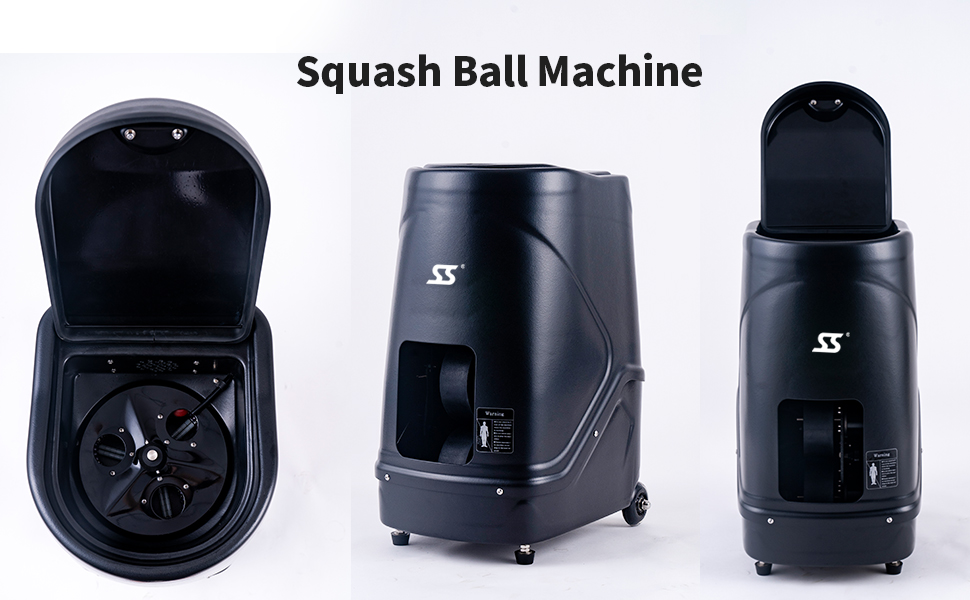
A quality squash ball launcher provides countless hours of structured practice while eliminating the need for another player.
Some of the biggest benefits include:
Whether you’re practicing drives, volleys, boasts, drops, or defensive shots, a feeding machine helps you repeat each movement until it becomes second nature.
Your experience should influence the type of machine you purchase.
Look for:
A beginner doesn’t usually require advanced drill programming.
Choose machines offering:
These features help simulate realistic rallies.
Competitive players should prioritize:
These machines closely replicate real match situations.
One of the most important specifications is ball capacity.
Typical capacities include:
Larger capacities allow for longer training sessions with fewer interruptions to reload.
If you coach multiple players or run squash academies, choosing a larger-capacity machine can save valuable practice time.
Different drills require different speeds.
A quality automatic squash ball machine should allow you to adjust:
Variable speed lets players gradually increase training intensity as their skills improve.
Feed interval determines how frequently the machine launches balls.
Common settings range from:
Quick intervals improve:
Slower intervals are better for learning proper technique.
Modern squash ball feeding machines often include oscillation features.
This allows the machine to feed balls to different court positions rather than repeatedly sending balls to one location.
Benefits include:
Random oscillation creates unpredictable training that closely resembles live opponents.
Advanced machines allow users to create custom drills.
Popular drill options include:
Some premium models can store multiple personalized training programs.
Battery performance is especially important if you train away from power outlets.
Look for machines offering:
Lithium batteries generally provide longer lifespan and lighter weight than older battery technologies.
If you regularly travel between courts or clubs, portability becomes essential.
Look for features such as:
Portable machines are much easier to transport and store.
Many premium squash training machines now include:
These features allow players to:
All without walking back to the machine.
A squash ball machine is an investment.
Choose machines built with:
A well-built machine requires less maintenance and lasts much longer.
Some machines operate much quieter than others.
Lower-noise models are ideal for:
Quieter operation creates a more enjoyable training experience.
Prices vary depending on features.
Ideal for beginners.
Includes:
Offers excellent value.
Usually includes:
Designed for coaches and serious competitors.
Features often include:
When comparing different models, prioritize:
These machines are ideal for:
They provide efficient, repeatable training that accelerates skill development for players of all levels.
To maximize the lifespan of your machine:
Proper maintenance helps ensure reliable performance for years.
Choosing the right squash ball feeding machine comes down to your training goals, skill level, and budget. Beginners may only need a simple machine with adjustable speed, while competitive players and coaches will benefit from advanced features like programmable drills, app control, random oscillation, and extended battery life.
Investing in a high-quality automatic squash ball feeding machine allows you to practice more efficiently, improve consistency, and gain a competitive edge on the court. By evaluating factors such as ball capacity, portability, battery performance, and customization options, you can select a machine that supports your development and delivers long-term value.
A squash ball feeding machine is an automated training device that launches squash balls at adjustable speeds, intervals, and trajectories, allowing players to practice independently.
Yes. Many models offer adjustable speed and feed intervals, making them ideal for players who are still developing their skills.
For individual practice, 60–100 balls is usually sufficient. Coaches and clubs often prefer machines with capacities of 120 balls or more.
Yes. Advanced models feature random oscillation, customizable drills, and variable speeds to create realistic rally scenarios.
Key features include adjustable speed, feed interval control, random oscillation, large ball capacity, long battery life, portability, and app or remote control.