Posted by:
Category:
Comments:
Post Date:
Common Squash Ball Machine Problems and How to Fix Them
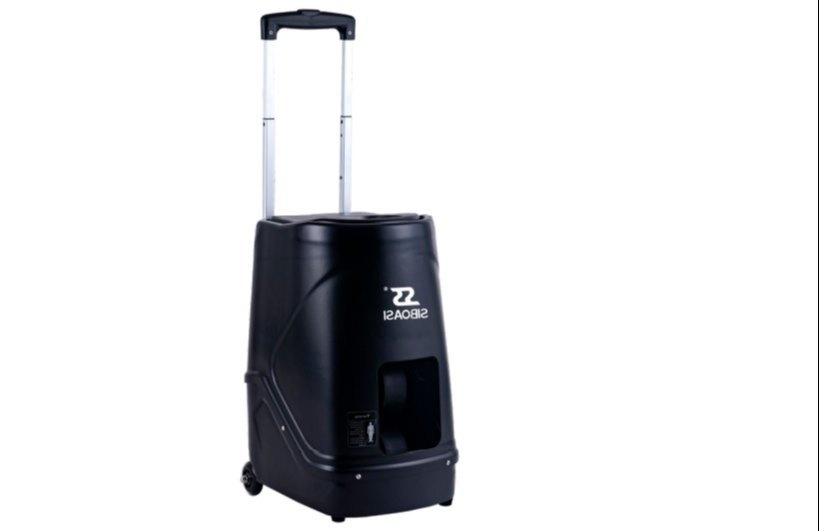
A squash ball machine is one of the best training tools for players looking to improve consistency, footwork, shot accuracy, and reaction time. Whether you’re a beginner developing your fundamentals or an advanced player preparing for tournaments, a reliable automatic squash ball feeder can dramatically improve your practice sessions.
Like any piece of sports equipment, however, squash ball machines require regular maintenance. Over time, dust, worn balls, battery issues, or incorrect settings can affect performance.
In this guide, we’ll cover the most common squash ball machine problems, explain why they happen, and show you simple ways to fix them.
1. The Squash Ball Machine Won’t Turn On
One of the most common issues is a machine that refuses to power on.
Possible Causes
- Battery is completely discharged
- Loose power connection
- Faulty charger
- Blown fuse
- Power switch malfunction
How to Fix It
- Charge the battery fully before use.
- Inspect all cables and connectors.
- Test the charger on another compatible device.
- Check the fuse if your model includes one.
- If the machine still doesn’t start, contact the manufacturer or supplier.
Pro Tip: Never store the battery completely empty for long periods.
2. Balls Are Not Feeding Properly
If your squash ball machine skips balls or feeds inconsistently, the feeding system may need attention.
Common Causes
- Dirty feeding wheels
- Worn squash balls
- Overfilled hopper
- Ball jam
How to Fix It
- Remove all balls and inspect the feeding mechanism.
- Clean the feeder using a dry cloth.
- Replace old or damaged squash balls.
- Do not exceed the recommended ball capacity.
- Restart the machine after clearing any jams.
3. The Machine Shoots Balls Inconsistently
If every shot lands in a different location, consistency becomes impossible.
Possible Reasons
- Dirty throwing wheels
- Low battery power
- Incorrect drill settings
- Uneven playing surface
Solutions
- Clean the throwing wheels regularly.
- Fully charge the battery before training.
- Reset your drill program.
- Place the machine on a level court surface.
4. Remote Control or Mobile App Isn’t Working
Many modern squash ball machines include wireless remote controls or smartphone apps.
Possible Causes
- Bluetooth disconnected
- Remote battery is flat
- Software needs updating
- Device is out of range
How to Fix
- Replace the remote battery.
- Restart both the machine and mobile device.
- Reconnect Bluetooth.
- Update the app if a newer version is available.
- Stay within the recommended operating distance.
5. Battery Doesn’t Last Long
Battery life naturally decreases over time.
Causes
- Old battery
- Frequent fast charging
- Cold storage conditions
- Charging habits
Solutions
- Follow the manufacturer’s charging instructions.
- Avoid leaving the battery plugged in continuously.
- Store batteries at room temperature.
- Replace batteries that no longer hold a charge.
6. The Machine Vibrates Excessively
Excessive vibration can reduce accuracy and increase wear.
Causes
- Loose bolts
- Uneven court surface
- Worn wheels
- Internal parts shifting during transport
Fix
- Tighten all visible fasteners.
- Position the machine on a flat surface.
- Inspect wheels for damage.
- Check that internal components are secure.
7. Ball Speed Seems Too Slow
Sometimes players think the machine has lost power when the issue is much simpler.
Check These First
- Speed setting
- Battery charge level
- Dirty launch wheels
- Worn squash balls
Cleaning the launch wheels often restores normal ball speed immediately.
8. Ball Spin Isn’t Working Correctly
Many premium squash ball machines offer adjustable topspin, backspin, or side spin.
Causes
- Spin setting accidentally changed
- Dirty wheels
- Mechanical wear
Solution
Reset the spin settings, clean the throwing wheels thoroughly, and inspect the machine for excessive wear if problems continue.
9. Strange Noises During Operation
Grinding or squeaking noises should never be ignored.
Possible Causes
- Dirt inside the machine
- Loose components
- Worn bearings
- Damaged rollers
What To Do
- Turn off the machine immediately.
- Remove debris.
- Tighten loose screws.
- Schedule servicing if unusual noises persist.
Ignoring strange sounds can lead to more expensive repairs later.
10. Error Messages on the Display
Some advanced squash ball machines display diagnostic error codes.
What You Should Do
- Restart the machine.
- Consult the user manual.
- Perform any recommended reset procedure.
- Contact customer support if the error remains.
Preventative Maintenance Tips
Regular maintenance keeps your squash ball machine operating smoothly for years.
Best Practices
- Clean the machine after every practice session.
- Use only quality squash balls.
- Store indoors in a dry location.
- Charge the battery properly.
- Inspect moving parts monthly.
- Wipe dust from sensors and wheels.
- Avoid exposing the machine to rain or extreme temperatures.
When Should You Replace Parts?
Certain components naturally wear over time.
These may include:
- Feed wheels
- Throwing wheels
- Batteries
- Tires
- Remote batteries
- Power cables
Replacing worn parts before they fail helps maintain consistent performance and reduces unexpected downtime.
Frequently Asked Questions
Why does my squash ball machine keep jamming?
Ball jams are usually caused by dirty feed wheels, damaged balls, or overloading the hopper. Regular cleaning and using high-quality squash balls can prevent this issue.
How often should I clean my squash ball machine?
For frequent players, cleaning after every training session is ideal. At a minimum, inspect and clean the machine once a week during regular use.
Can I leave my squash ball machine battery charging overnight?
Always follow the manufacturer’s charging recommendations. Overcharging can shorten battery life on some models.
Why is my squash ball machine less accurate?
Low battery power, dirty launch wheels, worn balls, or incorrect drill settings are common causes of inconsistent accuracy.
How long does a squash ball machine last?
With proper maintenance, a quality squash ball machine can provide many years of reliable performance.
Final Thoughts
A well-maintained squash ball machine is an invaluable investment for improving your game. Most common issues—such as feeding problems, inconsistent shots, battery concerns, and remote connectivity—can be resolved with routine maintenance and simple troubleshooting.
By cleaning your machine regularly, using quality squash balls, charging the battery correctly, and replacing worn components when necessary, you can maximize performance and enjoy uninterrupted training sessions. A little preventative care goes a long way toward keeping your automatic squash ball feeder operating at its best for years to come.