
PUSUN PT-MAX C vs Spinfire Pro 2: Tennis Ball Machine Comparison
Choosing the right tennis ball machine can make a major difference to the quality of your solo training. Two models...
By

Squash Ball Feeding Machine. If you want to become a better squash player, consistent practice is one of the most important factors. However, finding a training partner every time you want to practise can be difficult. This is where a squash ball machine can make a major difference.
A squash ball feeding machine provides repeatable, controlled shots so you can work on technique, movement, accuracy, speed, and endurance at your own pace. Whether you are a beginner learning the fundamentals or an experienced player preparing for competition, regular training with a squash ball machine can help take your game to the next level.
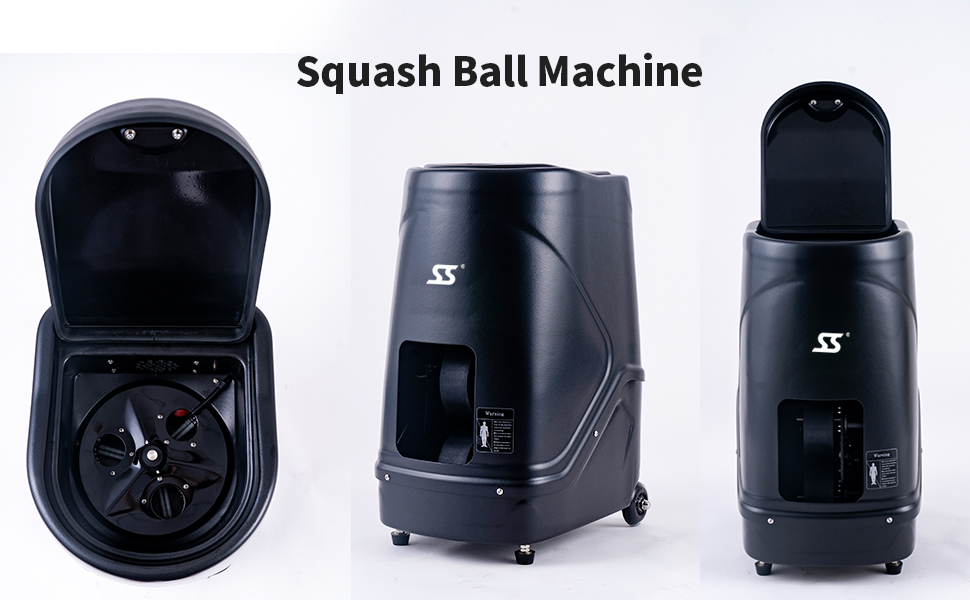
A squash ball machine, also known as a squash ball feeding machine or squash ball launcher, is a training device that automatically feeds squash balls onto the court.
Depending on the model, you may be able to adjust settings such as:
These adjustable settings allow players to create different drills and simulate a variety of shots during solo practice.
One of the biggest advantages of a squash ball machine is repetition.
Improving your forehand, backhand, volley, boast, drive, or drop shot requires hitting the same type of shot repeatedly. With a training partner, the quality and consistency of each feed can vary.
A squash ball machine provides a much more predictable feed, allowing you to concentrate on your technique.
You can work on:
Repeated practice helps you develop more consistent strokes and greater confidence when playing competitive matches.
Squash is not only about hitting the ball. Efficient movement around the court is essential.
A ball feeding machine can be used to create drills that require you to move between different areas of the court. For example, you can practise moving from the back corner to the front of the court before recovering to the T position.
Regular movement drills can help improve:
The more efficiently you move, the more energy you can conserve during a match.
Being able to hit a squash ball is one thing; being able to place it exactly where you want is another.
A squash ball machine allows you to practise targeting specific areas of the court repeatedly. You can aim for the corners, side walls, back wall, or specific landing zones.
Try setting yourself targets and measuring how many consecutive shots you can place accurately.
Over time, this can help improve your control and make your shots more difficult for opponents to return.
Squash can be extremely fast. Players often have only a short amount of time to react to a ball coming off a wall.
By increasing the feeding speed or reducing the interval between shots, you can create challenging reaction drills.
These exercises can help you become more comfortable with:
Start at a manageable speed and gradually increase the difficulty as your skills improve.
A squash match can involve repeated bursts of high-intensity movement. Training needs to prepare you for this physical demand.
A squash ball feeding machine can provide continuous feeds for extended periods, allowing you to practise without long breaks.
For example, you could perform a 5–10 minute high-intensity drill followed by a short recovery period. Repeating these intervals can help develop your cardiovascular fitness and ability to maintain technique while tired.
However, physical conditioning should complement—not replace—proper squash coaching and general fitness training.
One of the most convenient benefits of a squash ball machine is the ability to train alone.
You do not have to wait for a friend, coach, or training partner to become available. This makes it easier to fit practice sessions into a busy schedule.
Solo training can be particularly useful for players who want to:
The ability to practise independently can make your training routine much more consistent.
Every squash player has areas that need improvement.
Maybe your backhand is less reliable than your forehand. Perhaps you struggle with low drives, volleys, or retrieving balls from the back corners.
Instead of spending an entire session playing matches, use a squash ball feeding machine to focus specifically on your weaknesses.
For example, if your backhand needs improvement, you can create a drill that repeatedly feeds balls to your backhand side. Once your consistency improves, increase the speed or introduce movement.
This targeted approach can make practice sessions more productive.
Volleys are an important part of attacking squash. A well-executed volley can take time away from your opponent and help you maintain control of the rally.
A ball machine can repeatedly feed balls at different heights and speeds, allowing you to practise volley technique.
Focus on keeping your racket prepared, moving your feet into position, and controlling the ball rather than simply trying to hit it hard.
With consistent practice, you can become more comfortable taking the ball earlier.
A quality squash ball machine can help you practise a wide range of shots.
Depending on its capabilities, you can create drills for:
Combining different shots makes training more realistic and helps you develop a more complete game.
Consistency is one of the keys to improving at squash.
Playing one long session occasionally is unlikely to produce the same benefits as regular, structured practice.
A squash ball machine makes it easier to establish a repeatable training routine. Even short sessions several times a week can give you valuable opportunities to work on technique and movement.
For example, you might structure your week around:
Session 1: Forehand and backhand accuracy
Session 2: Footwork and movement
Session 3: Volley and reaction drills
Session 4: Endurance and high-speed feeds
The exact schedule should depend on your fitness level, experience, and training goals.
Simply hitting hundreds of balls does not automatically guarantee improvement. The key is to use the machine with a clear training plan.
Begin with a comfortable speed and feed frequency. Concentrate on good technique before increasing the difficulty.
Instead of simply hitting balls, give every drill a purpose. For example, aim to hit 20 consecutive straight drives within a specific target area.
Once you become comfortable with a drill, increase the ball speed, change the direction, reduce the recovery time, or introduce movement.
Keep track of accuracy, consistency, drill duration, and other measurable goals. Seeing improvements over time can help keep you motivated.
A ball machine is an excellent training tool, but it should not completely replace playing against real opponents. Match play teaches you how to read your opponent, construct rallies, choose shots, and respond to unpredictable situations.
For players who are serious about improving, a squash ball feeding machine can be a valuable investment.
It provides repeatable practice, allows you to train independently, and makes it possible to focus on specific technical and physical weaknesses. It can also help players make better use of their available training time.
The best machine for you will depend on factors such as speed, ball capacity, feed options, portability, battery life, adjustability, and your training goals.
A squash ball machine can improve your game by giving you the opportunity to practise more often and with greater consistency. From improving shot accuracy and footwork to developing reaction speed and endurance, structured machine training can complement coaching and match play.
The most important factor is not simply how many balls you hit, but how you use each session. Set clear goals, focus on proper technique, gradually increase the difficulty, and combine machine practice with real match experience.
With consistent and purposeful training, a squash ball feeding machine can become an effective part of your squash development and help you become a more confident, accurate, and well-rounded player.
Can beginners use a squash ball machine?
Yes. Beginners can start with slower, predictable feeds while learning basic strokes, movement, and positioning.
How often should I train with a squash ball machine?
There is no single ideal schedule. Regular sessions that allow adequate recovery are generally more useful than occasional long sessions.
Can a squash ball machine replace a coach?
No. A machine provides consistent repetition but cannot analyse your technique, provide personalised feedback, or teach tactical decision-making like a qualified coach.
What should I practise first with a squash ball machine?
Start with fundamental strokes and accuracy. Once you become consistent, add movement, faster feeds, different directions, and more complex drills.
Is a squash ball feeding machine good for fitness?
Yes. Continuous feeding and movement drills can provide a demanding workout, particularly when you increase the intensity and reduce recovery time.