
PUSUN PT-MAX C vs Spinfire Pro 2: Tennis Ball Machine Comparison
Choosing the right tennis ball machine can make a major difference to the quality of your solo training. Two models...
By

Automatic Squash Ball Feeding Machine. Whether you’re a beginner developing consistency or an advanced player refining your shot selection, a squash ball feeding machine can transform the way you train. These innovative machines provide continuous, accurate ball feeds that allow you to practice without relying on a training partner.
However, not all machines offer the same features. Choosing the right model depends on your skill level, training goals, and budget. In this guide, we’ll explore the most important features to look for when buying a squash ball feeding machine. Automatic Squash Ball Feeding Machine
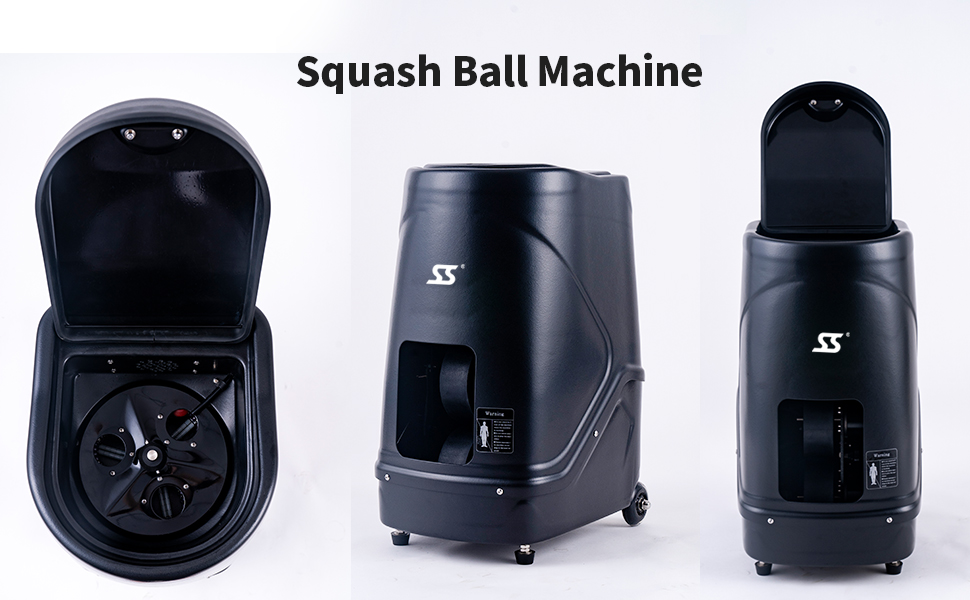
A squash ball feeder helps players:
Unlike traditional practice, an automatic feeding machine delivers hundreds of consistent shots, helping you build muscle memory much faster. Automatic Squash Ball Feeding Machine
One of the most important features is adjustable ball speed.
A quality machine should allow you to change the feeding speed depending on your skill level.
Benefits include:
Variable speed settings allow your training to grow as your skills improve.
The interval between balls significantly affects training intensity.
Look for machines that let you adjust the feeding rate from slow to rapid.
Benefits include:
The ability to change feeding frequency makes one machine suitable for multiple training styles.
The best squash isn’t played from one position.
Choose a machine with random or oscillation functions that deliver balls to different parts of the court.
These features help improve:
Random feeding creates realistic practice conditions similar to competitive matches.
Different shots require different ball trajectories.
Premium machines allow players to practice:
Being able to change the launch angle greatly increases training variety.
The hopper capacity determines how long you can practice without stopping.
Typical capacities include:
Larger capacities mean:
Coaches and clubs especially benefit from higher-capacity machines.
Modern squash feeding machines often include wireless controls.
Look for:
This allows players to change settings without walking back to the machine after every drill.
Advanced machines let you save custom training programs.
Examples include:
Programmable drills create structured practice sessions similar to working with a professional coach.
Some premium squash feeding machines allow adjustments to ball spin.
This helps players practice against:
Spin variation develops better anticipation and racket preparation.
Portable machines usually operate on rechargeable batteries.
Look for battery life between:
Long battery life means uninterrupted practice sessions without frequent charging.
Lithium batteries generally provide better performance and faster charging. Automatic Squash Ball Feeding Machine
If you regularly transport your machine between courts, portability matters.
Useful features include:
A portable machine is easier to move for coaches and players who travel.
A squash training machine should withstand regular use.
Look for:
Investing in quality construction reduces maintenance and extends the machine’s lifespan.
Cleaning and maintaining your machine should be straightforward.
Features to consider include:
Regular maintenance helps ensure consistent performance over many years.
A quieter machine creates a more enjoyable training environment.
Modern machines often use improved motors that reduce operating noise while maintaining excellent feeding performance.
This is especially valuable in indoor squash facilities.
Safety should never be overlooked.
Useful features include:
These features provide peace of mind during intensive practice sessions.
The cheapest machine isn’t always the best investment.
Instead, compare:
A slightly higher upfront investment often results in better long-term value. Automatic Squash Ball Feeding Machine
These machines are ideal for:
Develop proper technique through consistent repetition.
Improve footwork, movement, and shot consistency.
Practice match-speed drills and advanced shot combinations.
Run efficient group sessions while providing individualized instruction.
Maximize court usage and deliver high-quality training to multiple players.
Regular training can help improve:
Many players notice significant improvements after incorporating machine-based drills into their weekly training routine.
Choosing the right squash ball feeding machine can significantly enhance your training experience. Features such as adjustable speed, programmable drills, random oscillation, long battery life, large ball capacity, and mobile app control make practice more effective, engaging, and convenient. Automatic Squash Ball Feeding Machine
Whether you’re training for competition, coaching players, or simply looking to improve your game, investing in a high-quality automatic squash ball feeding machine is one of the smartest decisions you can make. By selecting a model with the features that best match your needs, you’ll enjoy more productive practice sessions and faster improvement on the court.
Adjustable speed and programmable drills are among the most valuable features because they allow players to customize training for different skill levels. Automatic Squash Ball Feeding Machine
Yes. Beginners benefit from slower feeds and repetitive practice that builds confidence and improves technique.
For uninterrupted practice, a capacity of 80–120 balls is ideal for most players and coaches.
Absolutely. Machines with random feeding or oscillation modes force players to move around the court, improving agility, balance, and recovery.
Battery-powered models offer greater portability and flexibility, making them ideal for players who train at multiple venues.