
PUSUN PT-MAX C vs Spinfire Pro 2: Tennis Ball Machine Comparison
Choosing the right tennis ball machine can make a major difference to the quality of your solo training. Two models...
By

Whether you’re a beginner learning the basics or an experienced player preparing for tournaments, a squash ball feeding machine can dramatically improve your training sessions. Unlike relying on a practice partner, a quality ball feeder delivers consistent shots, allowing you to focus on technique, movement, speed, and endurance.
However, not all squash ball feeding machines offer the same features. Before investing in one, it’s important to understand what separates a great machine from an average one.
In this guide, we’ll explore the most important features to look for when buying a squash ball feeding machine and help you choose the right model for your training needs.
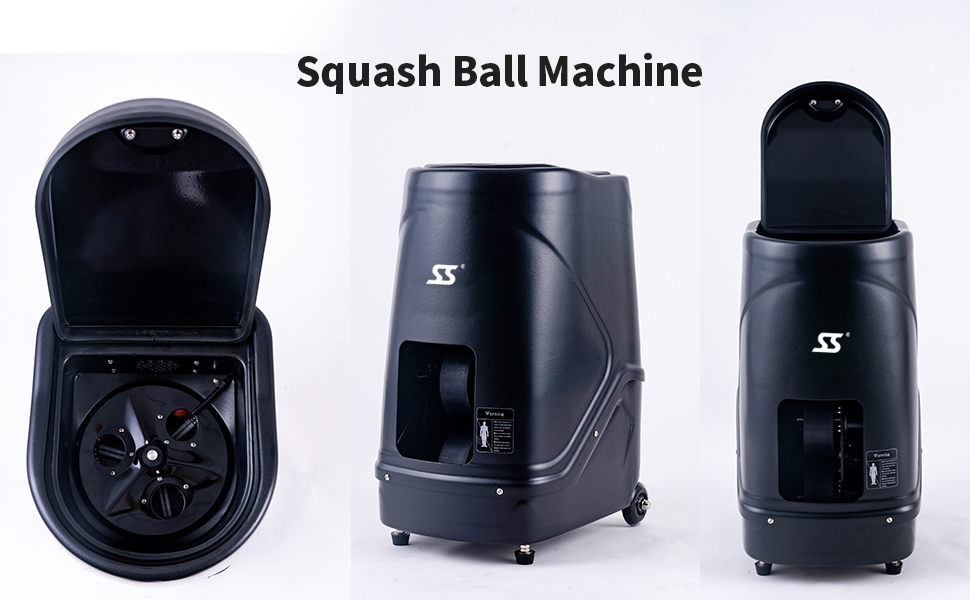
A squash ball feeding machine provides repeatable and customizable practice sessions that help players:
Whether you’re training at home, in a squash club, or at an academy, a quality feeding machine is one of the best investments you can make.
One of the most important features is adjustable ball speed.
A good machine should allow you to vary the speed depending on your skill level and training goals.
Benefits include:
Variable speed settings allow the machine to grow with your skills.
The feed interval determines how often balls are launched.
Look for machines that allow adjustable timing between shots.
For example:
Changing the feed frequency lets you work on:
The larger the hopper, the longer you can train without stopping.
Common capacities include:
A larger ball capacity means:
For coaches training multiple players, a high-capacity machine is especially valuable.
Oscillation changes where the balls are delivered.
A machine with oscillation can feed balls to different areas of the court, helping players improve movement and court coverage.
Look for:
This feature closely simulates real match conditions.
Advanced squash ball feeding machines can add different types of spin.
This allows players to practice against realistic shots.
Useful spin options include:
Practicing with different spins helps improve anticipation and racket control.
Modern machines often include pre-programmed training drills.
These can automatically vary:
Programmable drills create dynamic training sessions that mimic real rallies.
Many premium squash ball feeding machines now support smartphone apps.
App control allows users to:
Using an app eliminates the need to manually adjust the machine during practice.
A wireless remote gives players greater flexibility during training.
You can easily:
This saves time and keeps your training uninterrupted.
Battery performance is critical, especially if your court has limited access to power.
Look for machines offering:
Long battery life means fewer interruptions and more productive practice sessions.
If you’ll be transporting your machine between courts, portability matters.
Look for:
Portable machines are easier to transport and store without sacrificing performance.
A squash ball feeding machine is an investment.
Choose one made from:
Strong construction ensures reliable performance over many years.
Some machines include ball collection systems or are designed for quick reloading.
This reduces downtime between drills and keeps training sessions efficient.
Accuracy is one of the biggest indicators of machine quality.
A reliable machine should consistently deliver balls to the selected location without significant variation.
Consistent feeds help players develop muscle memory and improve stroke mechanics.
Premium machines often include specialized modes such as:
These modes keep practice sessions engaging and challenging.
The best squash ball feeding machines are versatile enough for:
A machine that adapts to different users offers better long-term value.
When you select a machine with the right features, you’ll enjoy:
Yes. It allows players to train independently, improve consistency, and practice specific shots without relying on a training partner.
A capacity of 80–120 balls is ideal for extended practice sessions with minimal interruptions.
Absolutely. Most quality machines include adjustable speed and feed frequency, making them suitable for players of all levels.
Yes. Machines with oscillation and programmable drills help players develop faster movement, better positioning, and improved court coverage.
If your budget allows, app-controlled machines offer greater convenience by letting you adjust settings and create custom drills without interrupting your practice.
A high-quality squash ball feeding machine can transform the way you train by delivering consistent, customizable, and realistic practice sessions. When comparing models, prioritize features such as adjustable speed, programmable drills, oscillation, spin control, long battery life, and app or remote control. Investing in a machine with these capabilities will help you build better technique, improve fitness, and accelerate your progress on the court.
Whether you’re an individual player aiming to sharpen your skills or a coach managing multiple athletes, choosing the right squash ball feeding machine is a smart investment that pays off through more efficient and effective training.